

Cyclosportive rides
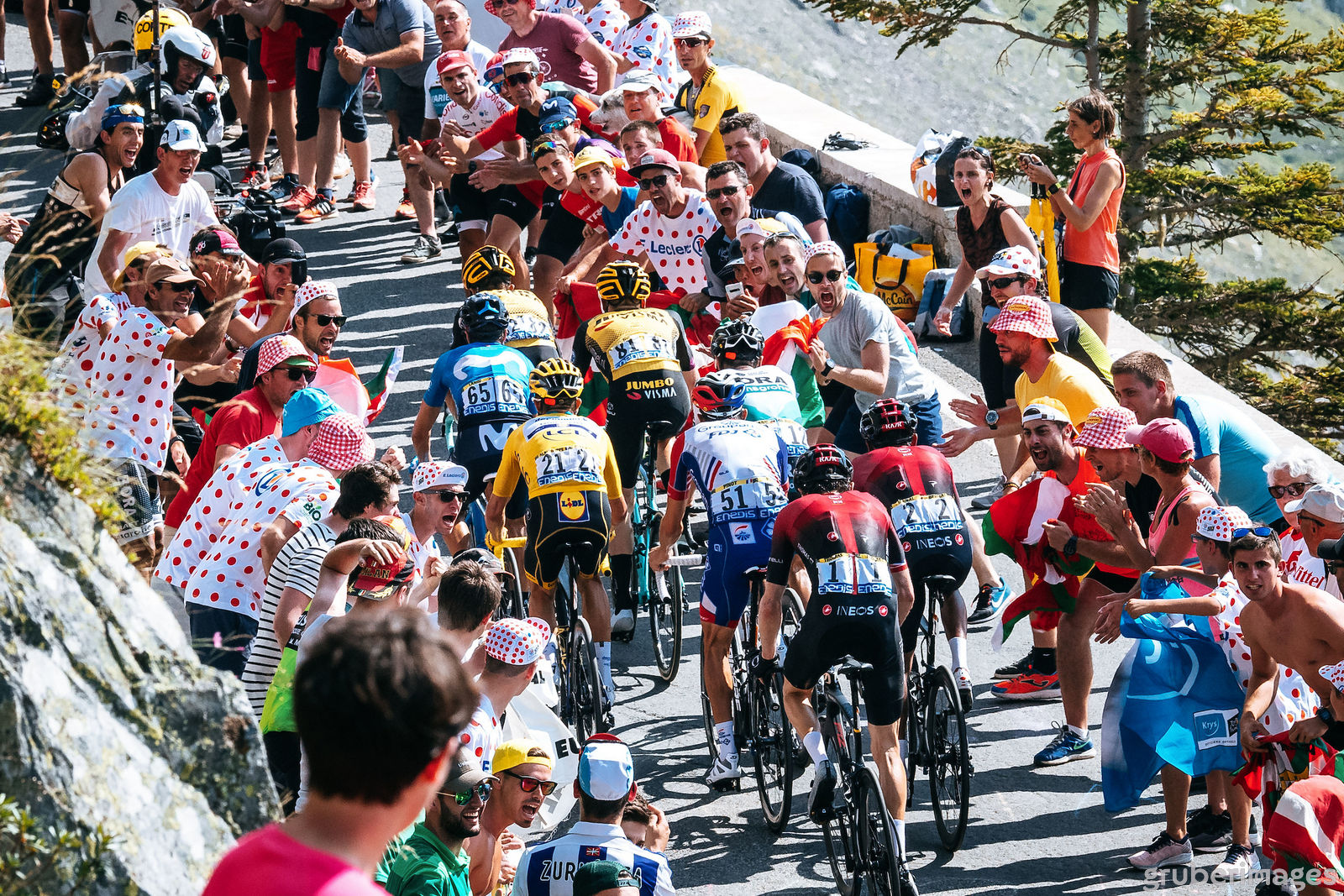
Amateur sporting events have been booming for some time now. Just take a look at your Facebook feed and you’ll see friends posting photos of themselves after completing a 5, 10, 21 or even 42 km run. Marathons are becoming more and more popular—and that’s great! The cycling equivalent of a marathon is called a cyclosportive, and these events are also gaining traction, with major rides like the Défi Pierre Lavoie or the La Québécoise and La Montréalaise cyclosportives. For many cyclists, taking part in an organized sportive ride is a fantastic personal challenge and a season-long goal that helps motivate them to get out and pedal despite cold or rainy weather. But who are cyclosportives for, and how should you prepare for one?

Cyclosportive rides for all levels
Much like marathons, cyclosportive events offer several levels for participants. In addition to distance options, average-speed groups are created so you can ride according to your abilities. If you’re thinking of signing up for a shorter cyclosportive, you can expect a route of about 60 to 100 km, and over 130 km for the longest courses. If you use a cycling computer on your rides, note that speed groups are generally 24–26 km/h, 28–30 km/h, 30–32 km/h and over 32 km/h. The options are varied, so there’s very little reason not to take part! As a guideline, you should have ridden about 1,500 km to prepare for a short cyclosportive and over 2,500 km for the longer routes.

A few tips to get ready
Of course, you’ll want to be ready on the day of your cyclosportive in terms of training, nutrition and mechanics. For training and nutrition tips, La Québécoise and La Montréalaise cyclosportives offer great advice on their website. You’ll find training tips here and nutrition tips here.
When it comes to getting your bike ready, the first tip is to tackle your cyclosportive on familiar ground! Avoid changing parts or equipment the day before the big event. Ideally, get a tune-up about two weeks beforehand so the cables have time to stretch and you can do minor readjustments just before the start. If you need to change your cassette and chainrings a few days or weeks before the event, we recommend keeping the same gear ratios you had before. Since you’ve been riding your bike all summer, you’re used to its gearing and probably shift intuitively. You’ll want to avoid changes right before the event. Before the start, make sure your tires are properly inflated to maximize rolling speed and prevent flats.
Also, don’t forget to lubricate your bike properly and take the opportunity to watch our bike maintenance videos! With that, we hope many of you will decide to sign up for a cyclosportive. Not only will you have a tangible goal throughout your season, but the sense of accomplishment will be unforgettable!