

Fatbikes: our essentials to gear up properly
Enjoy your fatbike rides on winter trails with our must-have accessories to tackle all outdoor conditions. Since winter riding can be challenging if you don’t want to freeze on the spot, it’s best to head out properly equipped from head to toe!
One very important thing to know before heading out for a ride, no matter the distance, is that you shouldn’t overdress. A good way to know if you’re dressed appropriately is to step outside in the clothes you plan to wear—if you feel a few chills at first, that’s normal, because you’ll quickly warm up once you start riding!
Boots and socks
Choose a winter boot that will let you ride longer while keeping you warm and dry, along with a pair of socks with good moisture‑wicking properties, such as merino wool. Whether you’re a beginner or advanced cyclist, we offer winter boots compatible with platform or clipless pedals, depending on your preferences.
Another option would be to go with warm winter hiking boots that are tall enough to keep snow from getting in. Neoprene shoe covers also offer protection from wind and rain while remaining breathable—a great choice for rides in milder temperatures.
Helmet and gloves
Other extremities such as your head and hands are areas not to be overlooked on your rides if you want to avoid discomfort from the elements.
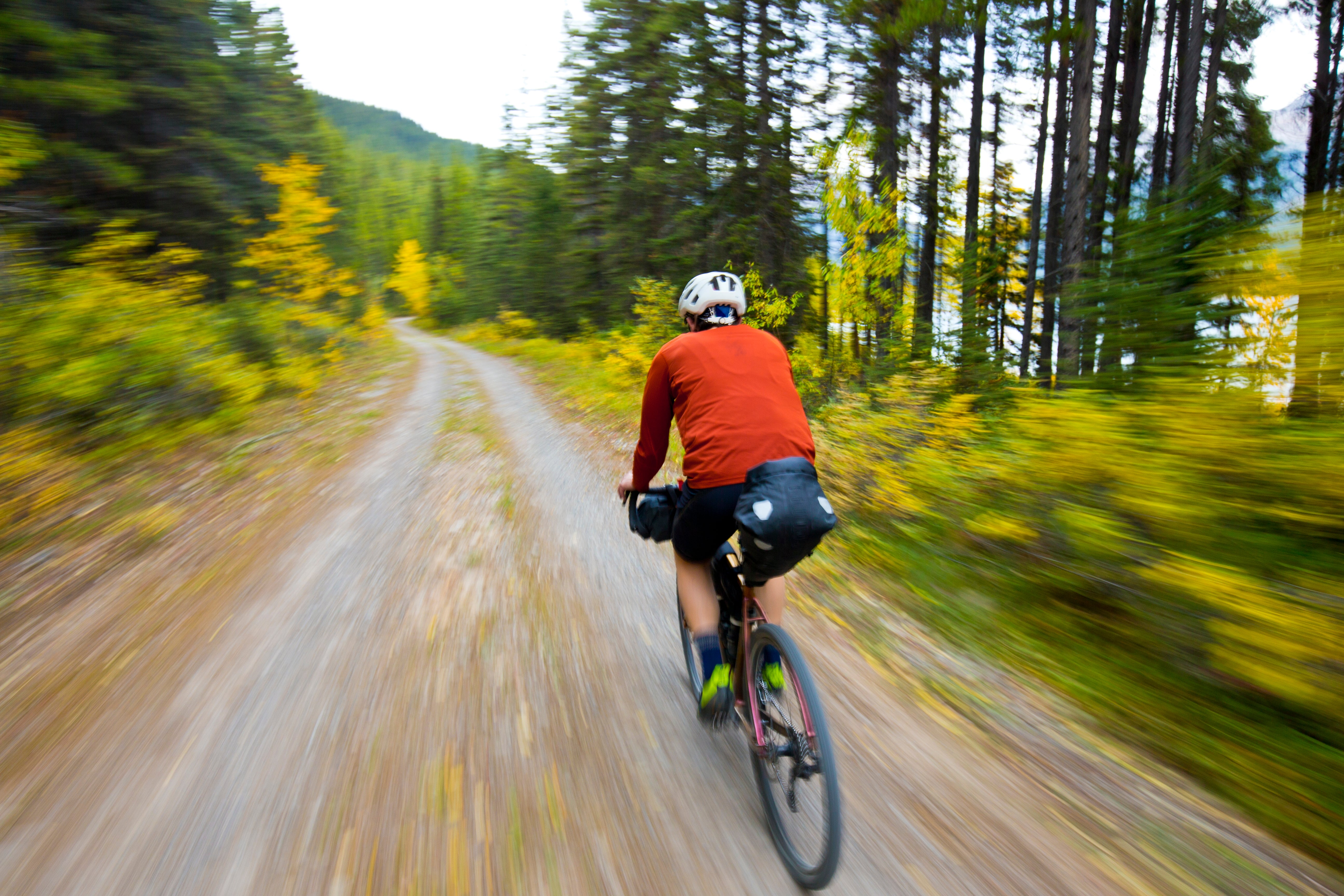
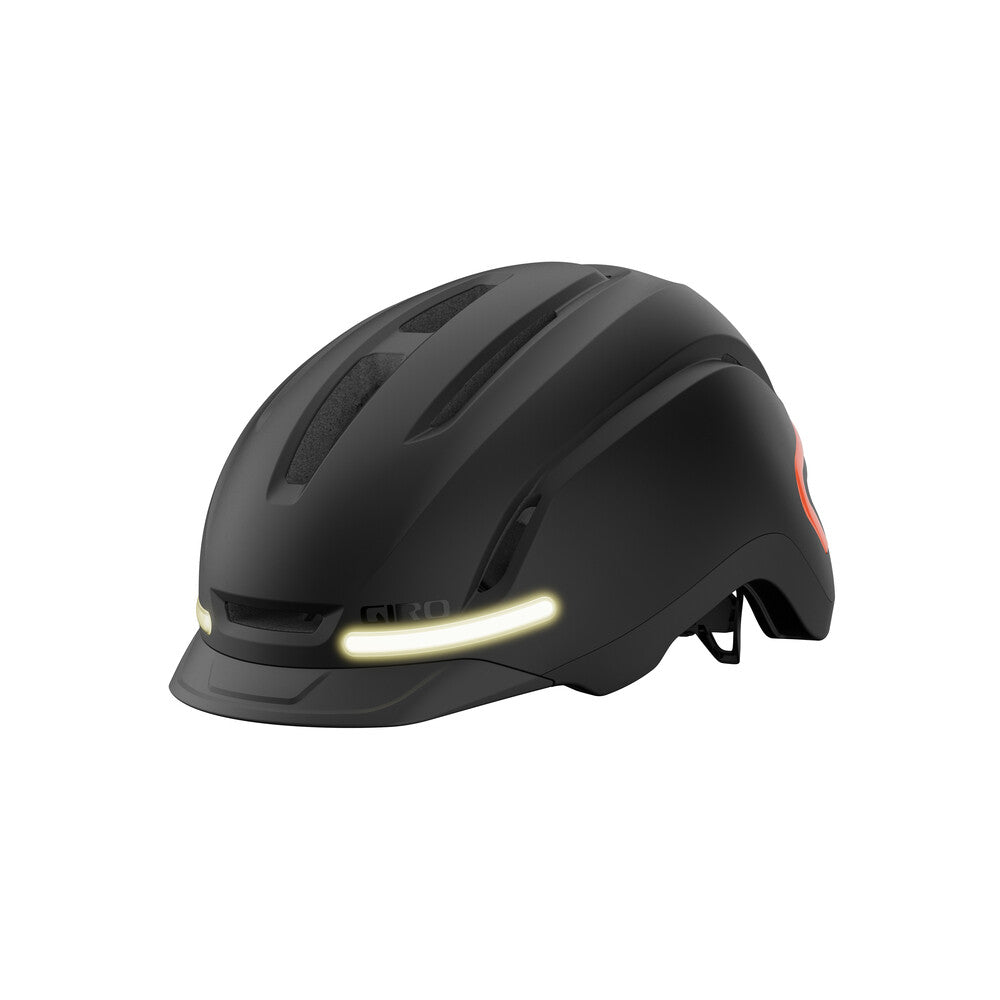
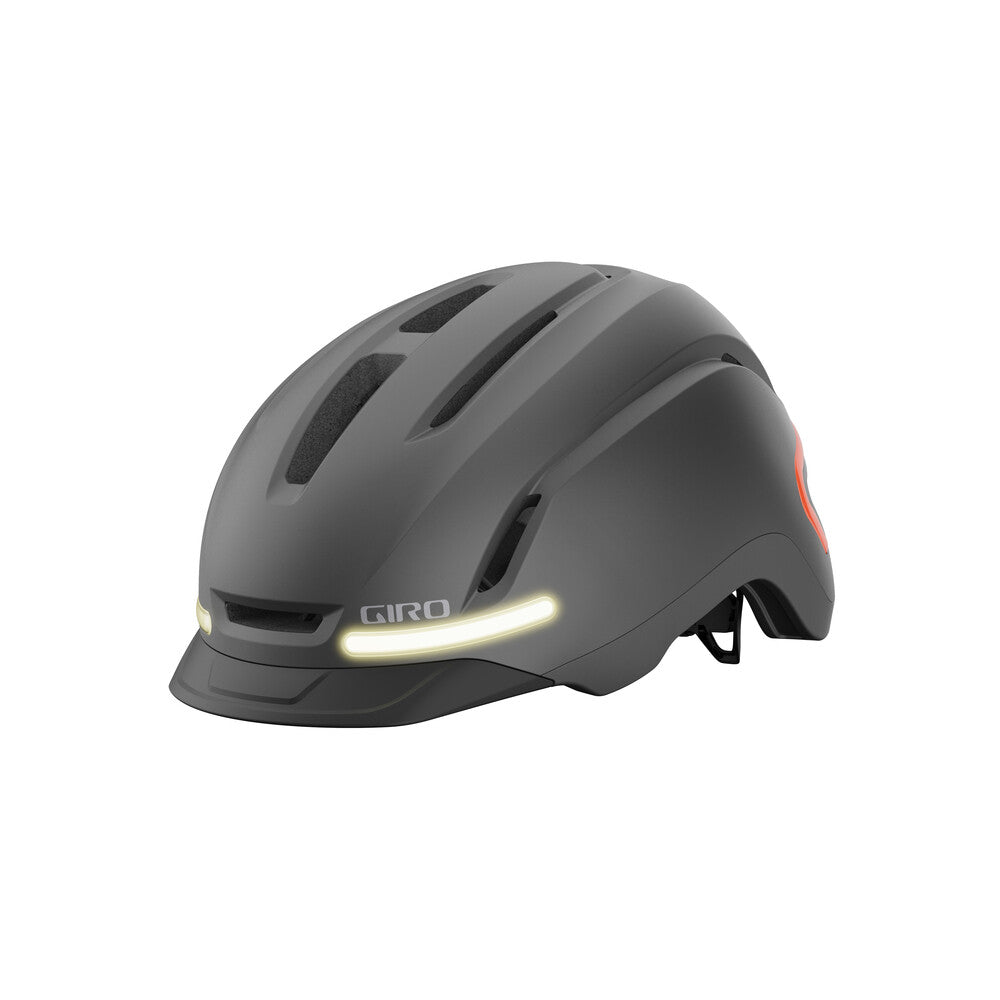
For your head, you can wear a beanie or a balaclava as a first layer, but above all, make sure you have a bike helmet! A ski helmet will be very warm (even too warm) and can cause moisture buildup, whereas a bike helmet is well ventilated—the one you use for mountain biking will work perfectly.
For your hands, three-finger lobster gloves or warm mittens are recommended; layering can also be an option. You can also add hand warmers or bar mitts to provide extra wind and cold protection.

Vêtements
Avoid wearing clothes that are too tight, which can make thermoregulation difficult—hence the importance of choosing your multilayer clothing properly according to the weather conditions.
For your upper body, start with a base layer that goes directly on your skin, usually made of merino wool or synthetic fibers, avoiding cotton. Follow it with a jacket and an insulated puffy. For your lower body, you can go with a base layer followed by a more technical pair of pants over top.