

How to choose and adjust your bike helmet
The bike helmet is becoming more and more of a must‑have for cycling enthusiasts. Although it isn’t always mandatory, more and more riders are choosing to wear one. Helmets have evolved significantly: they’re more comfortable than ever and now come in a wide variety of styles. Depending on how you use your bike, you can be sure there’s a helmet that’s perfect for you. Three types of open‑face helmets are most common: road, hybrid, and mountain bike helmets.
Types of helmets
Road bike helmets
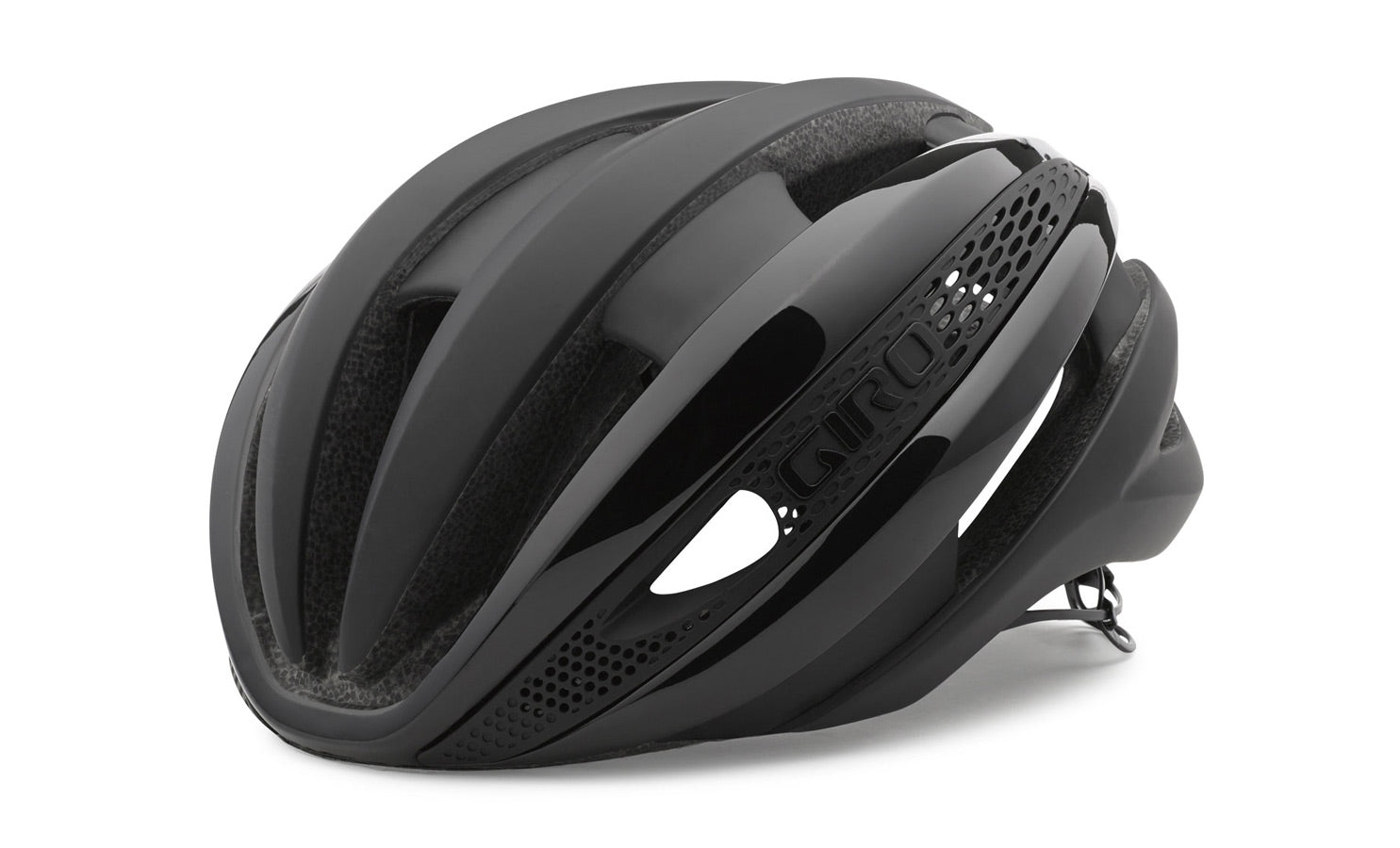
Road bike helmets don’t use a visor like mountain bike helmets do. Since the riding position on a road bike is usually more aggressive, the visor is removed to improve visibility and comfort, allowing the rider’s neck to stay more relaxed. In addition to the lack of a visor, road helmets usually have more vents that are longer to maximize airflow at higher average speeds. The large number of vents also allows manufacturers to create super-light helmets that you can barely feel on your head. That’s the case with the Giro Aeon, which weighs a mere 190 grams, or the Giro Synthe at 234 grams.
Mountain bike helmets
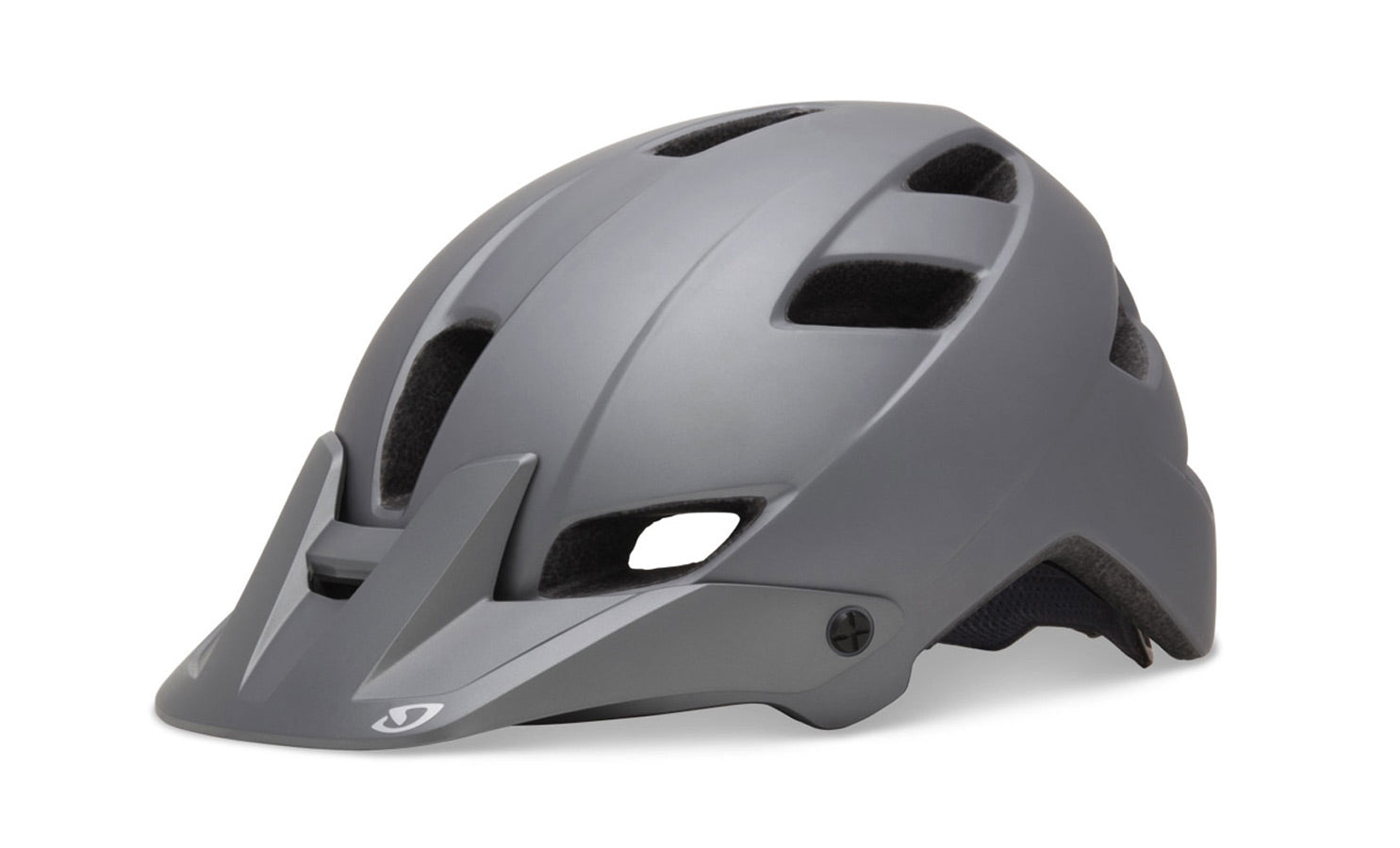
For mountain biking, helmets always feature a visor that helps keep branches away from your face, but the visor can usually be removed if you prefer. Protection also differs from road helmets, with a larger coverage area, especially at the back of the head, since crashes are likely to be more frequent. Finally, the ventilation holes are often larger but fewer in number on mountain bike helmets to offer more protection, and also because average speeds are lower, so MTB helmets don’t have the same aerodynamic requirements as road helmets.
Helmet for hybrid bikes
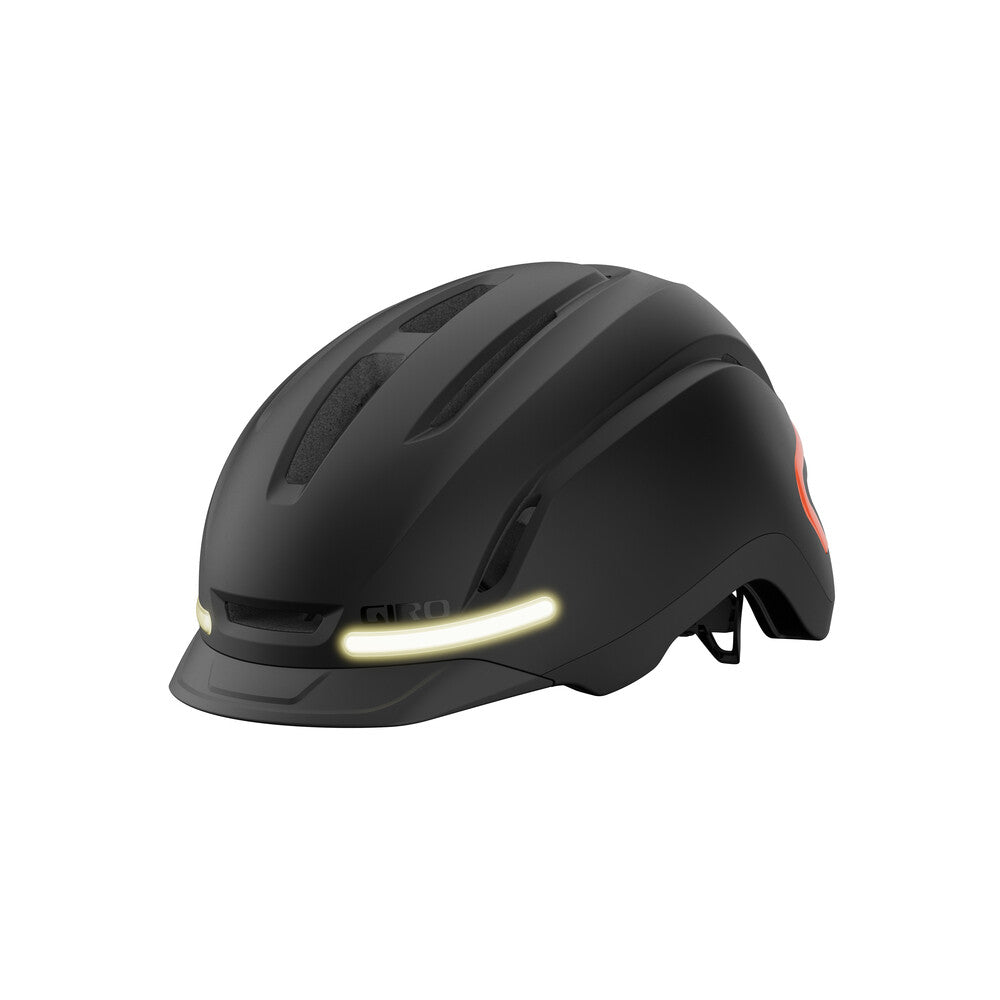
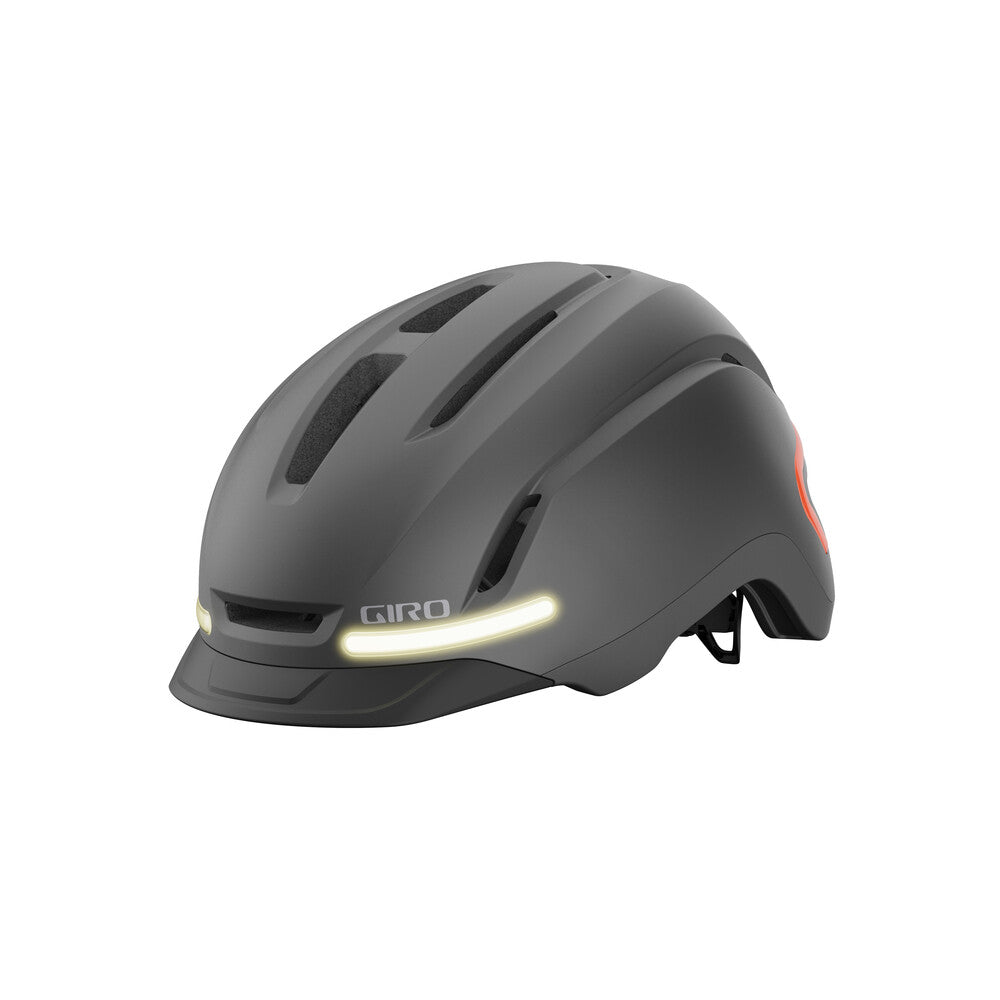
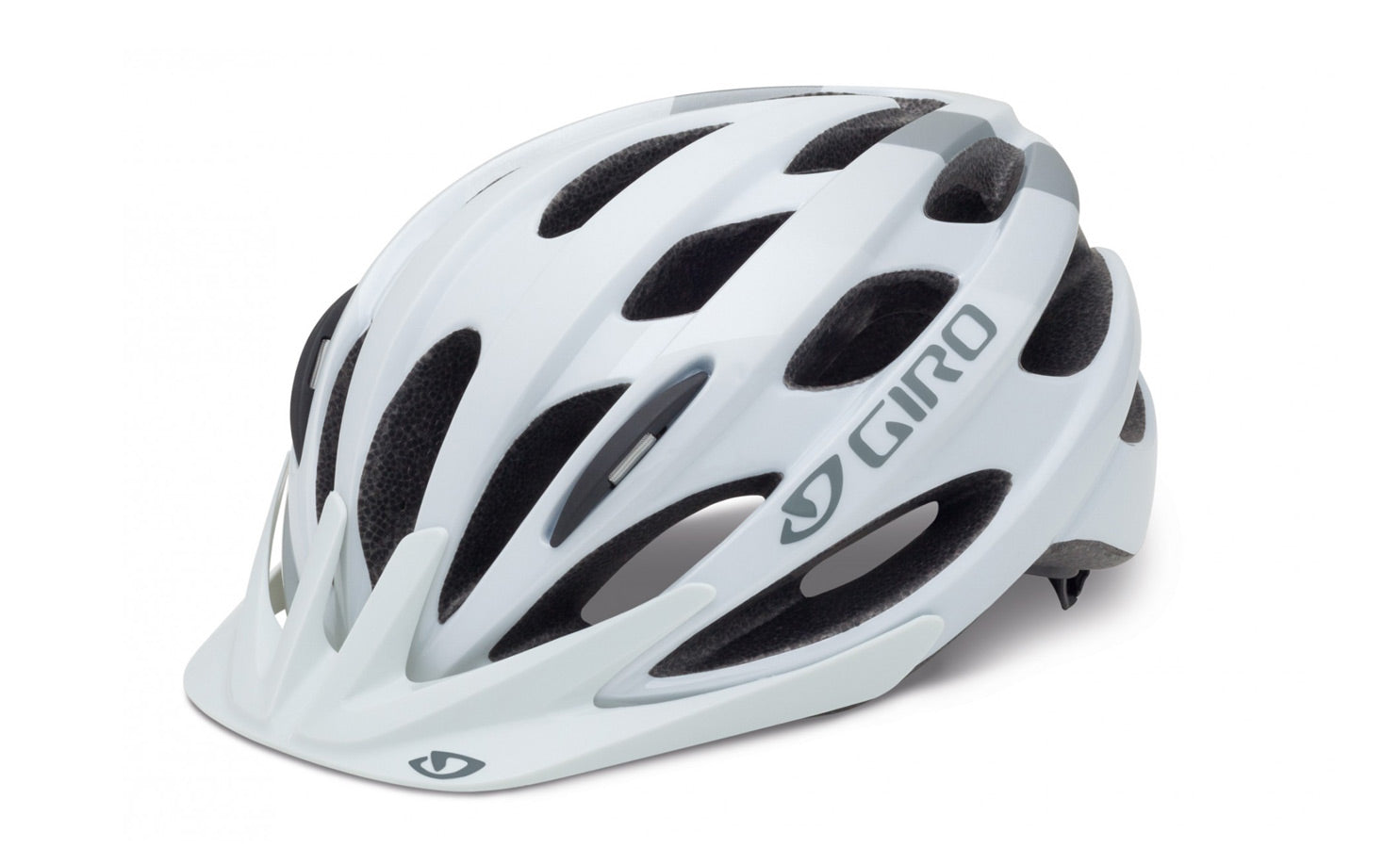
For hybrid bike riding—or let’s call it bike-path riding—you can use several types of helmets depending on your preferences. The helmet may or may not have a visor at the front to protect you from the sun, and it can be removed if your position on your performance-oriented hybrid is already sufficiently leaned forward. For those who prioritize performance, road helmets can also work very well and will offer increased ventilation.
Adjusting your bike helmet
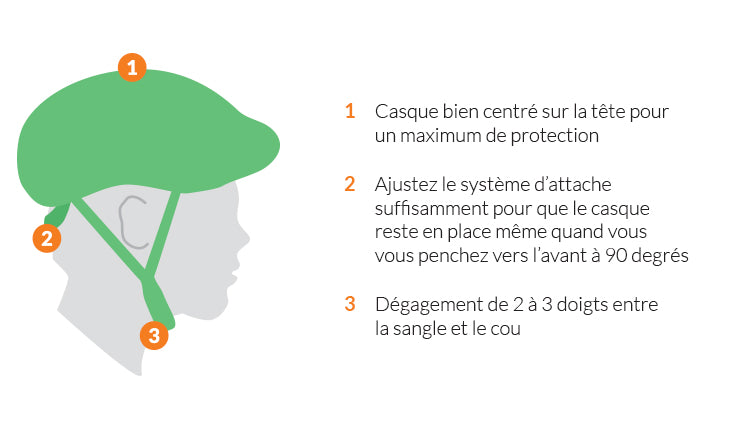
How do you know if a helmet is the right size for your head? Before putting the helmet on, use the dial (or similar adjustment system) at the back to increase the retention system to its maximum diameter. Once the helmet is on your head, tighten the retention system enough so the helmet stays in place even when you bend forward 90 degrees. If the helmet stays put and you don’t feel any uncomfortable pressure points, you’re good to go!
Strap adjustment
Before adjusting the strap length, take the time to set them so they go around your ears properly. To do this, lift the strap buckle and slide it to where you need it. Once the straps are aligned, simply adjust the strap length so that you can fit 2–3 fingers between your chin and the strap. There you go—your helmet is now perfectly adjusted!
Enjoy your ride!